UA
10 Min Read
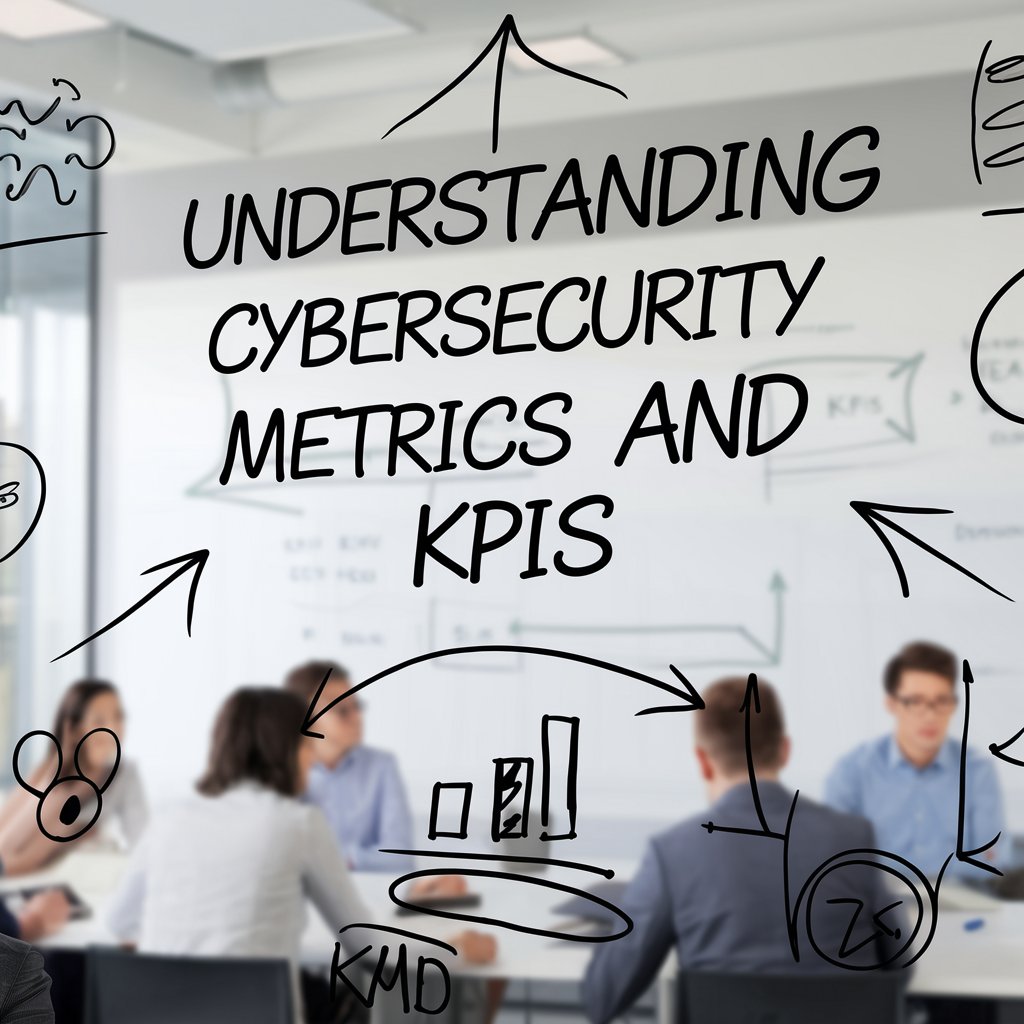
What Are Cybersecurity Metrics and KPIs?
Cybersecurity Metrics: These are quantitative measurements that evaluate various aspects of an organization’s cybersecurity efforts. Metrics can cover a wide range of areas, such as incident detection, response times, system vulnerabilities, and user behavior.
KPIs (Key Performance Indicators): KPIs are a subset of metrics that focus on the most critical factors that determine the success of your cybersecurity strategy. KPIs are typically tied to business goals and should provide insights into the overall effectiveness of your security efforts.
Why Cybersecurity Metrics and KPIs Matter
Identify Weaknesses: Metrics help pinpoint areas of vulnerability, enabling organizations to take proactive steps to mitigate risks.
Measure Progress: KPIs provide a clear picture of whether cybersecurity initiatives are improving over time, helping organizations stay on track.
Demonstrate ROI: By tracking cybersecurity performance, organizations can justify their security investments to stakeholders and show the value that cybersecurity brings to the business.
Enhance Decision-Making: With accurate data, security teams can make more informed decisions about where to focus resources and how to prioritize initiatives.
Key Cybersecurity Metrics and KPIs
Incident Detection and Response Times
Metric: Time taken to detect and respond to security incidents.
Why It’s Important: Faster detection and response times reduce the potential damage caused by cyberattacks. Monitoring response times can help ensure that security teams are well-prepared and equipped to handle threats.
KPI Example: Average time to detect (MTTD) and average time to respond (MTTR) to a security incident.
Number of Detected Vulnerabilities
Metric: The number of vulnerabilities detected in systems, networks, and applications.
Why It’s Important: Keeping track of vulnerabilities helps ensure that systems are regularly updated and patched, reducing the chances of exploitation by cybercriminals.
KPI Example: Percentage of vulnerabilities closed within a specified time frame.
Phishing Success Rate
Metric: The success rate of phishing attempts that were executed against employees.
Why It’s Important: Phishing remains one of the most common attack methods. Monitoring how many employees fall for phishing scams can help in determining the effectiveness of user training programs.
KPI Example: Percentage of employees who clicked on phishing links in simulated tests.
Patch Management and System Updates
Metric: The percentage of systems that have been patched and updated on time.
Why It’s Important: Unpatched systems are often the target of cyberattacks. Timely patch management reduces the number of attack vectors available to attackers.
KPI Example: Percentage of critical systems updated within the first 48 hours of a patch release.
Compliance with Security Standards
Metric: The degree to which the organization complies with regulatory standards (e.g., GDPR, HIPAA, PCI DSS).
Why It’s Important: Regulatory compliance is not only required by law but also helps ensure best practices are being followed to protect sensitive data.
KPI Example: Percentage of compliance audits passed without major findings.
Security Awareness Training Completion Rate
Metric: The percentage of employees who have completed security awareness training.
Why It’s Important: Employee behavior is one of the biggest security risks. Educating employees on cybersecurity risks, such as phishing and social engineering, helps reduce the chances of a successful attack.
KPI Example: Percentage of employees who completed security training annually.
Cost of a Data Breach
Metric: The average cost of a data breach, including fines, legal fees, reputational damage, and recovery efforts.
Why It’s Important: Understanding the financial impact of a breach helps justify the allocation of resources to improve cybersecurity defenses.
KPI Example: Reduction in the cost of data breaches year-over-year.
User Access Control
Metric: The effectiveness of user access control mechanisms in limiting unnecessary or unauthorized access.
Why It’s Important: Restricting access to sensitive data and systems based on user roles is vital to preventing internal and external breaches.
KPI Example: Percentage of critical systems using multi-factor authentication (MFA).
Intrusion Attempts Blocked
Metric: The number of cyber intrusion attempts blocked by security tools, such as firewalls or intrusion detection systems (IDS).
Why It’s Important: This metric helps gauge the effectiveness of the organization’s network defenses in preventing unauthorized access.
KPI Example: Percentage of intrusion attempts successfully blocked.
Recovery Time Objective (RTO) and Recovery Point Objective (RPO)
Metric: The time it takes to restore operations after a cyberattack (RTO) and the amount of data that can be lost without significant impact (RPO).
Why It’s Important: These metrics help organizations prepare for potential disruptions, ensuring business continuity in the event of a cyberattack.
KPI Example: RTO and RPO adherence during incident recovery exercises.

Conclusion
Cybersecurity metrics and KPIs are essential tools for managing, measuring, and improving an organization’s cybersecurity posture. By identifying key areas of risk and tracking progress over time, organizations can make informed decisions, allocate resources effectively, and ultimately protect their assets from cyber threats. The right metrics not only help secure digital environments but also ensure that cybersecurity strategies are aligned with overall business goals. audit3aa
Join our newsletter list
Sign up to get the most recent blog articles in your email every week.
Similar Topic
Related Blogs


More Articles
Latest Blogs


Frequently Asked Questions
Wondering About Something? Let’s Clear Things Up!
We’ve gathered all the important info right here. Explore our FAQs and find the answers you need.
What types of cybersecurity services does Audit3A offer?
Audit3A provides comprehensive cybersecurity services including application and infrastructure security, cybersecurity governance risk and compliance, SIEM solutions, vulnerability management, and anti-malware solutions. We also offer penetration testing, web and mobile application security, and fraud risk management.
How can Audit3A help my business comply with industry-specific regulations?
Our team specializes in assisting organizations with establishing effective cybersecurity governance frameworks, managing cybersecurity risks, and conducting audits for compliance with various regulations and standards. We ensure your cybersecurity practices align with industry best practices and regulatory requirements specific to your sector.
What makes Audit3A different from other cybersecurity companies?
Audit3A stands out due to our comprehensive approach, combining advanced technology with expert human analysis. We offer tailored solutions for businesses of all sizes, have a global presence with local expertise, and maintain a strong focus on research and development to stay ahead of emerging threats.
How often should my organization conduct a cybersecurity audit?
The frequency of cybersecurity audits can vary depending on your industry, regulatory requirements, and risk profile. However, we generally recommend conducting a comprehensive audit at least annually, with more frequent assessments of specific areas or in response to significant changes in your IT environment.
Can Audit3A provide cybersecurity solutions for small businesses as well as large enterprises?
Yes, Audit3A offers scalable solutions suitable for organizations of all sizes. We have specific packages designed for small businesses that provide essential security measures while being cost-effective. Our team can tailor our services to meet the unique needs and budget constraints of your business.
What is the process for engaging Audit3A's services?
The engagement process typically begins with an initial consultation to understand your specific needs and challenges. We then conduct a preliminary assessment of your current security posture. Based on this, we propose a customized security plan. Once agreed, we implement the solutions, provide necessary training, and offer ongoing support and monitoring.
How does Audit3A stay updated with the latest cybersecurity threats and technologies?
Audit3A invests heavily in research and development. We have our own R&D lab dedicated to studying emerging cyber threats. We also collaborate with leading universities, participate in developing international security standards, and maintain a program for independent security researchers. Our team regularly updates their skills and certifications to stay at the forefront of cybersecurity technology and practices.


You can copy our materials only after making sure that your services are safe.
This site is protected by reCAPTCHA and the Google Privacy Policy and Terms of Service apply.