UA
10 Min Read

1. Understand the Shared Responsibility Model
One of the first steps in protecting personal data in the cloud is understanding the shared responsibility model. Cloud service providers (CSPs) like AWS, Microsoft Azure, and Google Cloud are responsible for securing the infrastructure and hardware, while the customer (you) is responsible for securing the data and ensuring compliance with privacy regulations.
What You Should Do:
Understand the division of responsibilities between you and the CSP.
Ensure that you handle data encryption, access controls, and compliance on your end.
2. Use Strong Encryption
Encryption is one of the most effective ways to protect personal data in the cloud. Data should be encrypted both at rest (when stored) and in transit (while being transferred over the network). Even if a hacker manages to breach the cloud provider’s security, encrypted data will be unreadable without the decryption key.
Best Practices for Encryption:
Use strong encryption algorithms, such as AES-256 for data at rest.
Ensure end-to-end encryption for data in transit, using protocols like TLS.
Encrypt sensitive personal data before uploading it to the cloud, especially for highly regulated industries (e.g., healthcare, finance).
Use hardware security modules (HSMs) for key management.
3. Implement Robust Access Control
Access control is essential for protecting personal data in the cloud. Only authorized individuals should have access to sensitive data. Implementing strong access management policies helps prevent unauthorized access and reduces the risk of insider threats.
Best Practices for Access Control:
Use role-based access control (RBAC) to grant access based on the user's role within the organization.
Implement multi-factor authentication (MFA) to add an extra layer of protection.
Regularly review and update access permissions to ensure that only the necessary individuals have access to sensitive data.
Enforce the principle of least privilege (PoLP) to limit access to the minimum necessary resources.
4. Backup and Disaster Recovery Plans
Data loss can occur due to various reasons, including technical failures, cyberattacks, or human error. A comprehensive backup and disaster recovery plan ensures that personal data is recoverable in case of an incident.
Best Practices for Backup and Recovery:
Regularly back up data to a secure cloud or off-site location.
Ensure that backups are encrypted and stored in a separate cloud region or provider.
Test your disaster recovery procedures to ensure data can be quickly restored in the event of a breach or loss.
5. Ensure Compliance with Privacy Regulations
Different industries and regions have specific regulations regarding data privacy, such as the GDPR in Europe, CCPA in California, and HIPAA in healthcare. Protecting personal data in the cloud requires understanding and adhering to these regulations.
Steps to Ensure Compliance:
Work with your cloud provider to understand their compliance certifications (e.g., ISO 27001, SOC 2) and how they align with regulatory requirements.
Implement data privacy policies to comply with regulations like GDPR, ensuring that data subjects' rights are respected.
Regularly audit cloud services to ensure compliance and track any changes to regulations.
6. Monitor Cloud Environments Continuously
Continuous monitoring of cloud environments is essential for detecting suspicious activity and potential data breaches. By monitoring your cloud systems, you can detect and respond to security incidents quickly before they cause significant damage.
Best Practices for Monitoring:
Use cloud-native security tools (e.g., AWS CloudTrail, Google Cloud Security Command Center) to monitor and audit cloud activity.
Set up automated alerts for suspicious actions, such as unauthorized access or unusual data transfers.
Implement a Security Information and Event Management (SIEM) system to centralize and analyze security logs for anomalies.
7. Secure APIs and Endpoints
Cloud services often rely on APIs to allow communication between different applications and services. However, poorly secured APIs can be an attack vector for cybercriminals. Protecting APIs and endpoints is crucial for securing personal data in the cloud.
Best Practices for API and Endpoint Security:
Use API gateways to enforce security policies like authentication and rate limiting.
Ensure that all APIs are properly authenticated and use OAuth or API keys for secure access.
Regularly update software and apply patches to endpoints and cloud-connected applications to protect against known vulnerabilities.
8. Educate Employees on Cloud Security
Human error is one of the leading causes of security breaches. It’s essential to educate employees about cloud security best practices and ensure they understand the risks associated with storing and handling personal data.
Best Practices for Employee Education:
Conduct regular cybersecurity awareness training to help employees recognize phishing attempts, social engineering, and other threats.
Encourage employees to use strong, unique passwords and enable MFA wherever possible.
Implement data handling protocols to ensure that employees know how to securely store and share sensitive data.
9. Choose a Trusted Cloud Provider
Not all cloud providers are created equal. When selecting a cloud service provider, ensure they offer robust security measures and compliance with relevant standards.
Key Considerations for Choosing a Cloud Provider:
Evaluate the provider’s security certifications (e.g., SOC 2, ISO 27001, PCI DSS).
Ensure that the provider offers data encryption, access controls, and audit logging.
Choose a provider with a solid track record of protecting customer data and addressing security vulnerabilities.
10. Data Minimization
Finally, avoid uploading unnecessary personal data to the cloud. Data minimization involves storing only the data you need and ensuring it is securely handled.
Best Practices for Data Minimization:
Only collect and store personal data that is required for business purposes.
Regularly review and delete data that is no longer necessary.
Implement data anonymization or tokenization where applicable to protect sensitive information. audit3aa
Join our newsletter list
Sign up to get the most recent blog articles in your email every week.
Similar Topic
Related Blogs
More Articles
Latest Blogs


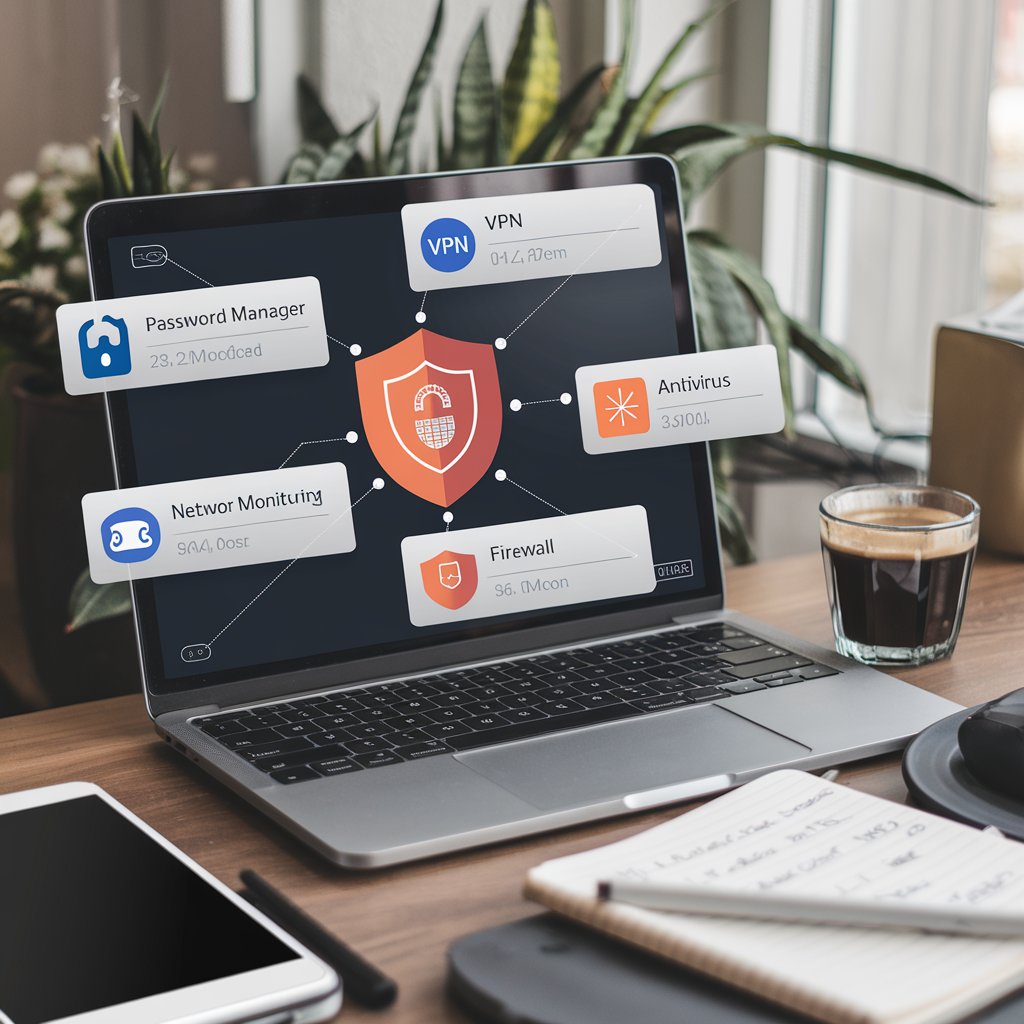
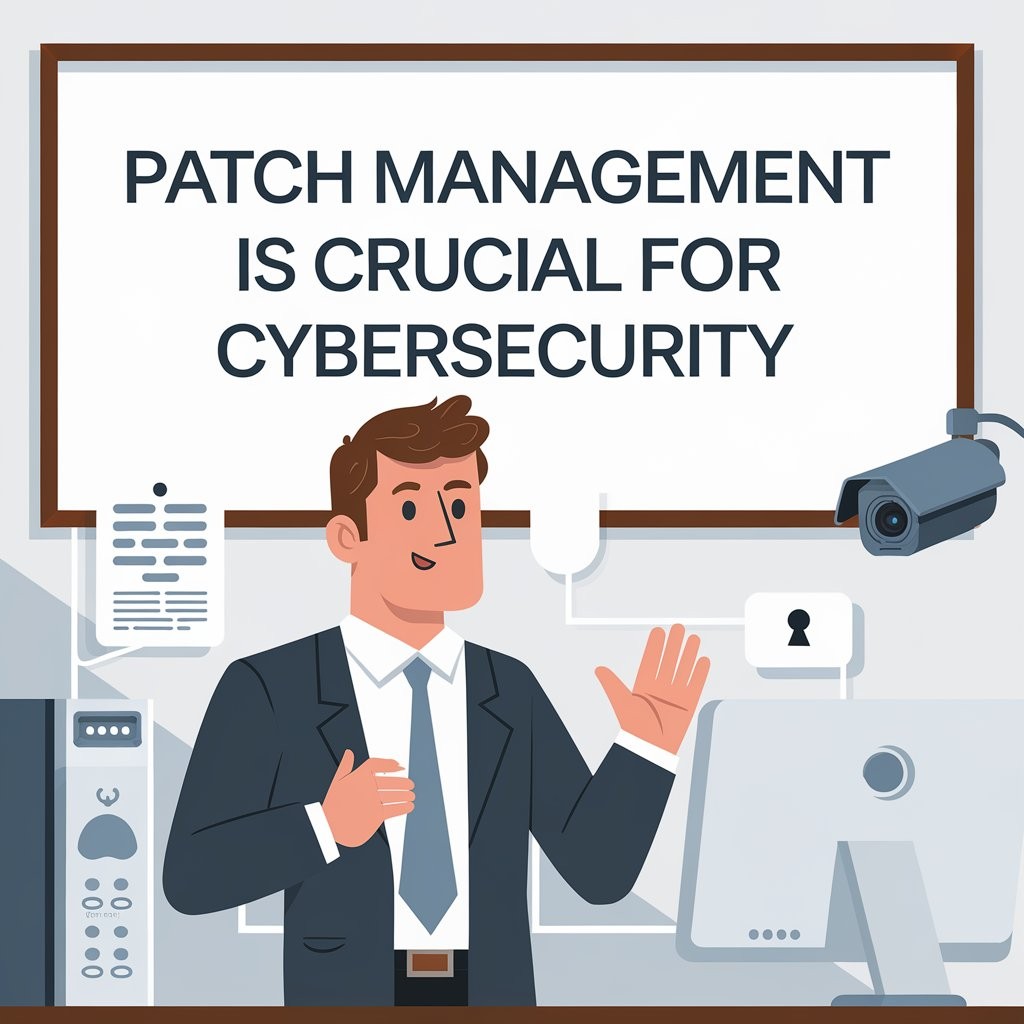
Frequently Asked Questions
Wondering About Something? Let’s Clear Things Up!
We’ve gathered all the important info right here. Explore our FAQs and find the answers you need.
What types of cybersecurity services does Audit3A offer?
Audit3A provides comprehensive cybersecurity services including application and infrastructure security, cybersecurity governance risk and compliance, SIEM solutions, vulnerability management, and anti-malware solutions. We also offer penetration testing, web and mobile application security, and fraud risk management.
How can Audit3A help my business comply with industry-specific regulations?
Our team specializes in assisting organizations with establishing effective cybersecurity governance frameworks, managing cybersecurity risks, and conducting audits for compliance with various regulations and standards. We ensure your cybersecurity practices align with industry best practices and regulatory requirements specific to your sector.
What makes Audit3A different from other cybersecurity companies?
Audit3A stands out due to our comprehensive approach, combining advanced technology with expert human analysis. We offer tailored solutions for businesses of all sizes, have a global presence with local expertise, and maintain a strong focus on research and development to stay ahead of emerging threats.
How often should my organization conduct a cybersecurity audit?
The frequency of cybersecurity audits can vary depending on your industry, regulatory requirements, and risk profile. However, we generally recommend conducting a comprehensive audit at least annually, with more frequent assessments of specific areas or in response to significant changes in your IT environment.
Can Audit3A provide cybersecurity solutions for small businesses as well as large enterprises?
Yes, Audit3A offers scalable solutions suitable for organizations of all sizes. We have specific packages designed for small businesses that provide essential security measures while being cost-effective. Our team can tailor our services to meet the unique needs and budget constraints of your business.
What is the process for engaging Audit3A's services?
The engagement process typically begins with an initial consultation to understand your specific needs and challenges. We then conduct a preliminary assessment of your current security posture. Based on this, we propose a customized security plan. Once agreed, we implement the solutions, provide necessary training, and offer ongoing support and monitoring.
How does Audit3A stay updated with the latest cybersecurity threats and technologies?
Audit3A invests heavily in research and development. We have our own R&D lab dedicated to studying emerging cyber threats. We also collaborate with leading universities, participate in developing international security standards, and maintain a program for independent security researchers. Our team regularly updates their skills and certifications to stay at the forefront of cybersecurity technology and practices.


You can copy our materials only after making sure that your services are safe.
This site is protected by reCAPTCHA and the Google Privacy Policy and Terms of Service apply.