UA
6 Min Read
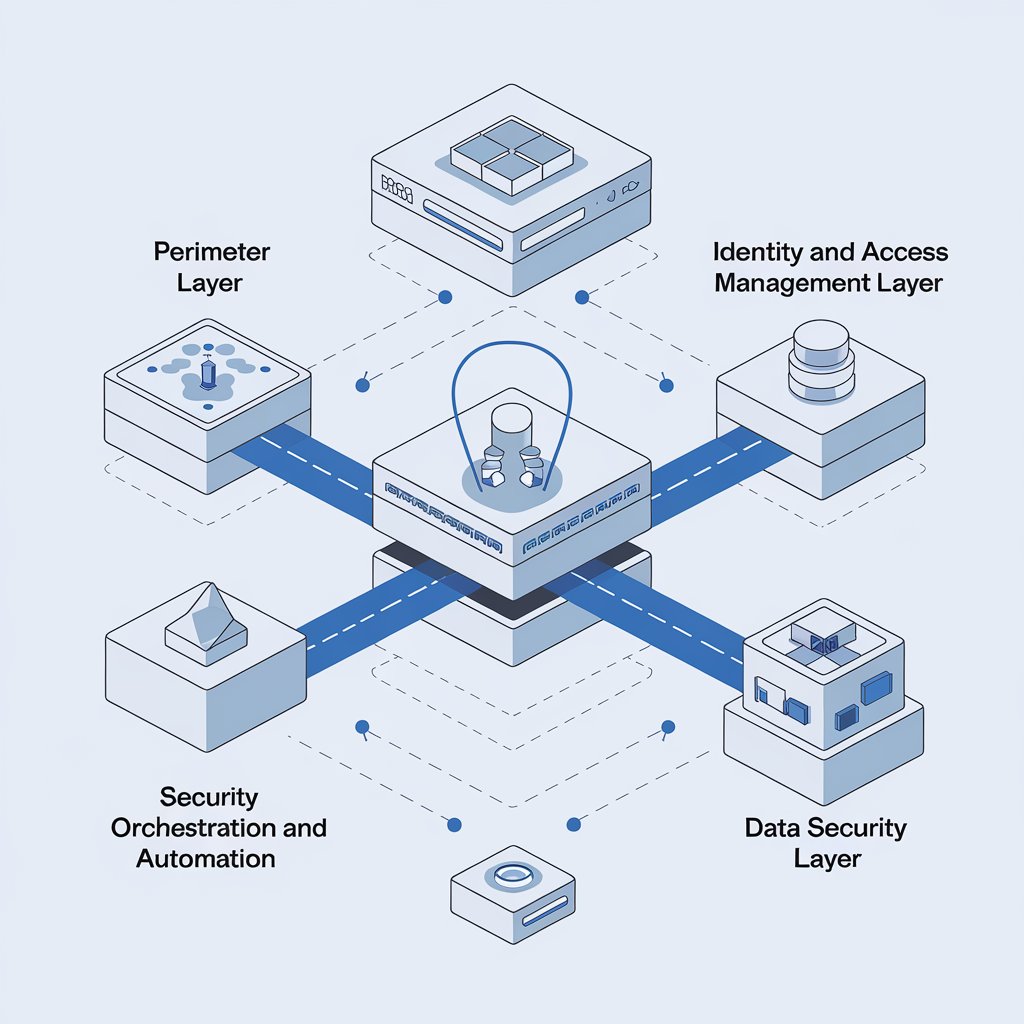
Understanding Zero Trust: The Core Principles
Before diving into implementation, it’s crucial to grasp the core tenets of Zero Trust:
Never Trust, Always Verify: This is the foundational principle. Instead of assuming trust based on location (e.g., being inside the network), every user, device, and application is treated as a potential threat. Verification is required at every access attempt.
Principle of Least Privilege: Users should only have the minimum level of access required to perform their job functions. This limits the potential damage if an account is compromised.
Microsegmentation: Networks are divided into smaller, isolated segments. This prevents lateral movement, meaning that if an attacker breaches one segment, they are less likely to easily access others.
Assume Breach: Recognize that breaches are inevitable and design your security strategy to contain the damage if one occurs.
Multi-Factor Authentication (MFA): Requires users to verify their identities using multiple authentication factors (e.g., password, biometric, security key). This makes it much harder for attackers to impersonate a legitimate user.
Continuous Monitoring and Validation: Security is an ongoing process. Access should be continuously monitored, and devices should be frequently checked for security compliance.
Steps to Implement a Zero-Trust Architecture
Implementing Zero Trust is a phased approach, not a big-bang deployment. Here’s a structured guide:
Phase 1: Planning and Preparation
Identify Your "Protect Surface": Focus on what you need to protect most, instead of trying to apply Zero Trust everywhere at once. This could be sensitive data, critical applications, or key business processes.
Map Your Data Flows: Understand how data moves across your organization. Where is it stored? Who accesses it? What are the data paths? This understanding is key to identifying access points to secure.
Assess Your Current Security Posture: Evaluate your existing security infrastructure, identify weaknesses, and understand how it aligns with the principles of Zero Trust.
Define Clear Policies: Establish clear policies for access control, user authentication, device management, and data security. These policies must be granular and reflective of the "least privilege" principle.
Choose the Right Technologies: Select the appropriate tools and technologies that align with your Zero Trust strategy. This may involve identity management solutions, network segmentation technologies, endpoint security platforms, and data loss prevention tools.
Form a Cross-Functional Team: Implementation of Zero Trust requires the involvement of IT, security, and business stakeholders. Get buy-in from everyone impacted to create alignment and facilitate successful adoption.
Phase 2: Incremental Deployment
Start with a Pilot Project: Begin by implementing Zero Trust principles in a small area, such as a specific department or application. This allows you to test your approach, learn, and refine your strategy.
Implement MFA Everywhere: Mandate multi-factor authentication for all users, especially for access to sensitive systems and data.
Focus on Identity and Access Management (IAM):
Deploy a robust IAM system to manage user identities and enforce granular access controls.
Implement role-based access control (RBAC) to grant access based on user roles and responsibilities.
Regularly review and revoke access privileges as necessary.
Microsegment Your Network: Break down your network into smaller segments and control traffic flow between them using firewalls or microsegmentation technologies.
Secure Endpoints:
Deploy endpoint detection and response (EDR) solutions.
Enforce strong device security policies.
Use encryption to protect data at rest and in transit.
Monitor, Log, and Analyze: Implement a robust monitoring and logging system to track user activity, identify anomalies, and detect potential security incidents.
Automate Where Possible: Automate security processes such as provisioning, user access reviews, and incident response.
Phase 3: Optimization and Continuous Improvement
Regularly Review and Update Policies: Your security policies should be regularly reviewed and updated to reflect changes in the threat landscape and your organization’s needs.
Conduct Ongoing Security Assessments: Continuously assess your systems for vulnerabilities and misconfigurations.
Provide User Training: Educate your users on the importance of Zero Trust and provide them with the necessary training to follow security procedures.
Integrate and Automate: Integrate your security tools and automate as many processes as possible to improve efficiency and reduce human error.
Stay Agile: Be prepared to adapt your strategy as the threat landscape evolves.
Key Technologies for Zero Trust
Identity and Access Management (IAM) Solutions: Okta, Microsoft Azure AD, Ping Identity
Multi-Factor Authentication (MFA) Solutions: Google Authenticator, Microsoft Authenticator, Duo Security
Network Segmentation Technologies: Firewalls, microsegmentation platforms like Illumio, VMware NSX
Endpoint Detection and Response (EDR): CrowdStrike, SentinelOne, Microsoft Defender for Endpoint
Security Information and Event Management (SIEM) Systems: Splunk, QRadar, Microsoft Sentinel
Data Loss Prevention (DLP) Solutions: Forcepoint DLP, Symantec DLP, Microsoft DLP
Challenges of Implementing Zero Trust
Complexity: Implementing Zero Trust can be complex, requiring significant changes to your existing infrastructure and processes.
Cultural Shift: Zero Trust requires a shift in mindset, from a trust-based to a verification-based approach.
Cost: Implementing Zero Trust may require an investment in new technologies and expertise.
User Experience: Implementing Zero Trust shouldn't overly hinder user productivity. Balancing security with user experience is critical.
In Summary
Implementing Zero Trust is a strategic decision that requires careful planning, a phased approach, and ongoing commitment. It’s not a one-time project but an evolution of your security strategy. By embracing the principles of “never trust, always verify,” you can significantly improve your organization's security posture and mitigate the risk of successful cyberattacks.
Key Takeaways
Zero Trust is a philosophy, not a product.
Start with a clear understanding of your "protect surface".
Implement incrementally, starting with a pilot project.
Emphasize identity and access management.
Utilize microsegmentation to contain breaches.
Continuously monitor, adapt, and improve your security posture.
This guide should provide a solid foundation for understanding and implementing a Zero Trust architecture. Remember to adapt these steps to your organization's specific needs and constraints. Good luck on your Zero Trust journey! audit3aa
Join our newsletter list
Sign up to get the most recent blog articles in your email every week.
Similar Topic
Related Blogs



More Articles
Latest Blogs


Frequently Asked Questions
Wondering About Something? Let’s Clear Things Up!
We’ve gathered all the important info right here. Explore our FAQs and find the answers you need.
What types of cybersecurity services does Audit3A offer?
Audit3A provides comprehensive cybersecurity services including application and infrastructure security, cybersecurity governance risk and compliance, SIEM solutions, vulnerability management, and anti-malware solutions. We also offer penetration testing, web and mobile application security, and fraud risk management.
How can Audit3A help my business comply with industry-specific regulations?
Our team specializes in assisting organizations with establishing effective cybersecurity governance frameworks, managing cybersecurity risks, and conducting audits for compliance with various regulations and standards. We ensure your cybersecurity practices align with industry best practices and regulatory requirements specific to your sector.
What makes Audit3A different from other cybersecurity companies?
Audit3A stands out due to our comprehensive approach, combining advanced technology with expert human analysis. We offer tailored solutions for businesses of all sizes, have a global presence with local expertise, and maintain a strong focus on research and development to stay ahead of emerging threats.
How often should my organization conduct a cybersecurity audit?
The frequency of cybersecurity audits can vary depending on your industry, regulatory requirements, and risk profile. However, we generally recommend conducting a comprehensive audit at least annually, with more frequent assessments of specific areas or in response to significant changes in your IT environment.
Can Audit3A provide cybersecurity solutions for small businesses as well as large enterprises?
Yes, Audit3A offers scalable solutions suitable for organizations of all sizes. We have specific packages designed for small businesses that provide essential security measures while being cost-effective. Our team can tailor our services to meet the unique needs and budget constraints of your business.
What is the process for engaging Audit3A's services?
The engagement process typically begins with an initial consultation to understand your specific needs and challenges. We then conduct a preliminary assessment of your current security posture. Based on this, we propose a customized security plan. Once agreed, we implement the solutions, provide necessary training, and offer ongoing support and monitoring.
How does Audit3A stay updated with the latest cybersecurity threats and technologies?
Audit3A invests heavily in research and development. We have our own R&D lab dedicated to studying emerging cyber threats. We also collaborate with leading universities, participate in developing international security standards, and maintain a program for independent security researchers. Our team regularly updates their skills and certifications to stay at the forefront of cybersecurity technology and practices.


You can copy our materials only after making sure that your services are safe.
This site is protected by reCAPTCHA and the Google Privacy Policy and Terms of Service apply.